


.jpg?h=499&iar=0&w=887&rev=b18cccbf174745ee852b51e14bf7b151&hash=F7A53903958FAB1B82908690B04339FD)
We use cookies to improve your online experiences. To learn more and choose your cookies options, please refer to our cookie policy.
04 June, 2026
What skills must children learn in the AI era?
AI is transforming learning – and how schools should prepare students for an AI-driven world. With answers just a click away, the future isn’t just about what children know, but how they think.
There is no doubt that AI is a powerful tool when used wisely. Over-reliance on AI, however, risks turning students into passive users rather than critical thinkers. At Collège Champittet, our responsibility is to help students learn the skills that AI can’t teach – enabling them to use this tool with intention and to thrive in the future.
The human skills AI can’t replace
As AI comes to fulfil our need for instant answers, the skills that will be most in demand by employers and society will be those that AI can’t match – skills like critical thinking, creativity, emotional intelligence and resilience.
AI can produce an essay, but it lacks the ability to judge its sources or reflect on its content – much less demonstrate any kind of artistic sensibility. As educators, it is more important than ever that we guide students toward building these skills – the very skills that connect us to our own humanity.
The role of schools in an AI-powered world
Schools need to teach children how to use AI responsibly and ethically. AI literacy – the ability to question, interpret and verify AI-generated content – has become an essential skill in today’s world.
At Collège Champittet, we believe that developing metacognition skills – learning how to learn – is key to helping students grow as independent thinkers. Our teachers ask learners to pause, reflect and explain their own thought processes, until these structured “thinking routines” become a natural habit. This sets the foundation for curiosity, resilience and deeper thinking.
Swiss education: Leading a balanced approach
As an education system known for fostering critical thinking and autonomy, the Swiss model is well positioned to lead the future of education. It is important to realise that AI presents opportunities as well as challenges.
AI can be used for routine homework grading and correction, giving teachers more time to spend with students. Meanwhile, milestone assignments such as the IB Extended Essay or the Travail de Maturité in Switzerland will soon need to take another form, as these become easier for AI to produce.
What does this mean for students and teachers? Human interaction is irreplaceable and will become more crucial than ever. Assessments will need to change, with students being evaluated through oral exams, in-class tests and essays, and interactive presentations and debates. Through these experiences, teachers will guide students in learning to think independently – and collaborate with AI as needed, in a responsible, effective way.
Read more on this topic:
Skills AI Can't Match | Nord Anglia Education
De Korodi: Switzerland can set the AI standard for education (The Block Republic)
Related news
News image ![Our 2026-2027 afterschool activities - Our 2026-2027 afterschool activities]() News | Collège Champittet News
News | Collège Champittet News
 News | Collège Champittet News
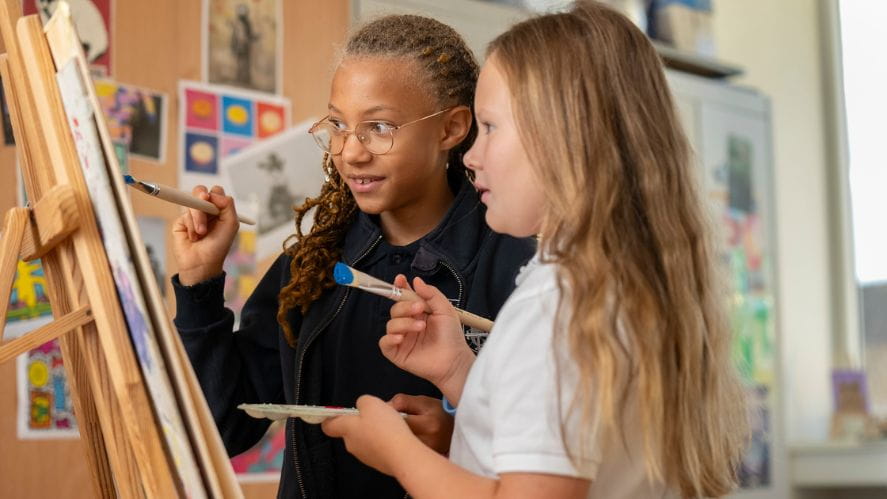
 Discover our 2026-2027 afterschool activities
With our beautiful forest – home to our beloved Forest School – on the shores of Lake Geneva, our historic Collège Champittet campus is an exceptional place for students to learn, explore and grow.
News image ![Origami dove artwork - Origami dove artwork]() News | Collège Champittet News
News | Collège Champittet News
 News | Collège Champittet News
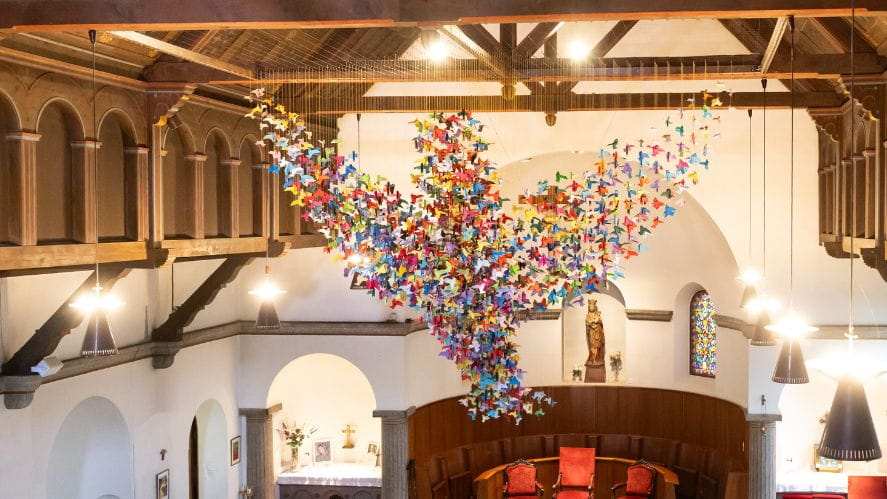
 Origami dove artwork: our collective tribute
In June, a meaningful new art installation came to grace the ceiling of our Champittet chapel – a multicoloured dove, consisting of 3,000 handmade origami pieces.