




We use cookies to improve your online experiences. To learn more and choose your cookies options, please refer to our cookie policy.
17 March, 2026
What to look for during a school visit to an international school
A school visit is often the moment when parents understand how learning really works day to day. Websites can introduce a school’s curriculum, programmes, and facilities, but seeing classrooms in action allows parents to observe how teaching and learning unfold during a normal school day.
For many families, this can be the moment when impressions begin to turn into clearer understanding. While facilities and displays are easy to notice, the most meaningful indicators of educational quality often appear in the everyday interactions between teachers and students.
According to Frances Morton, Principal of Northbridge International School Cambodia, observing these moments can help parents better understand how learning works in practice.
“When parents visit a classroom, one of the most useful things to observe is how teachers engage students in learning,” she explains. “The tone of the classroom, the questions teachers ask, and the level of student participation often reveal how learning is structured and supported.”
For parents exploring international schools in Cambodia, recognising these signals can make a school visit far more informative.
Observe how teachers engage students
One of the clearest indicators of teaching quality during a school visit is the way teachers interact with students.
Parents may notice how teachers guide discussions, ask questions that extend thinking, and encourage students to explain their ideas. The pace of the lesson and the level of participation often show whether students are actively engaged with the learning taking place.
“Watching how teachers interact with students can tell parents a great deal about the learning culture of a school,” says Ms Morton. “You can often see whether students feel confident contributing, asking questions, and engaging with the lesson.”
These interactions provide insight into the expectations teachers have for their students and the role students play in their own learning.
How to read a classroom during a school visit
When parents observe a lesson, it can be helpful to look beyond the teacher and notice how students respond.Are students contributing ideas or asking questions? Do they appear comfortable explaining their thinking? Are they working independently or collaborating with classmates?
“In strong classrooms, learning is not always quiet or teacher led,” Ms Morton explains. “You may see students discussing ideas, working together, or exploring questions in groups. Those moments often show how actively students are involved in their learning.”
These observations can help parents understand how a school encourages participation and supports the development of independent thinking.
Look at student work and evidence of learning
Another useful step during a school visit is to examine examples of student work displayed in classrooms or learning spaces.Assignments, projects, and written reflections often show how students build understanding over time. Parents may see evidence of drafts, teacher feedback, or collaborative work that illustrates how learning develops step by step.
Looking at student work can also reveal the kinds of skills students are developing. These may include research, written communication, analysis, or presentations that allow students to demonstrate their understanding.
Such examples provide a window into the academic expectations placed on students and how teachers support them in reaching those expectations.
Ask how progress is monitored and communicated
A school visit is also an opportunity to understand how student progress is monitored.
Parents may wish to ask how teachers assess learning, how feedback is provided, and how progress is communicated throughout the year. Clear systems for monitoring learning often reveal how carefully a school tracks each student’s development.
“At Northbridge International School Cambodia, we encourage parents to ask about how learning is assessed and how feedback is shared,” says Ms Morton. “Understanding these systems helps families see how teachers support students as they develop their knowledge and skills over time.”
These structures ensure that progress is visible not only to teachers but also to parents and students themselves.
Notice the routines and relationships around the school
Beyond the classroom, everyday interactions across the school can also offer useful insight.
Observing transitions between lessons, informal conversations between teachers and students, or how students collaborate during group activities can reveal the routines that shape daily school life.
Parents may notice how teachers greet students, how students move between classes, and how respectfully students interact with one another. These moments often reflect the wider learning culture of the school.
Focus on meaningful indicators of learning
A short visit cannot show every aspect of a school. However, it can provide important clues about how teaching, learning, and student development are supported.Watching part of a lesson, reviewing examples of student work, and asking thoughtful questions about teaching and assessment can help parents interpret what they see during their visit.
At Northbridge International School Cambodia, school visits are an opportunity for families to understand how teaching practices, curriculum design, and daily routines work together to support students throughout their education.
Parents who wish to explore these aspects further are always welcome to continue the conversation with the school’s academic leaders and teaching staff.
Related news
News image ![IBDP Results 2026]() News | Whole School
News | Whole School
 News | Whole School
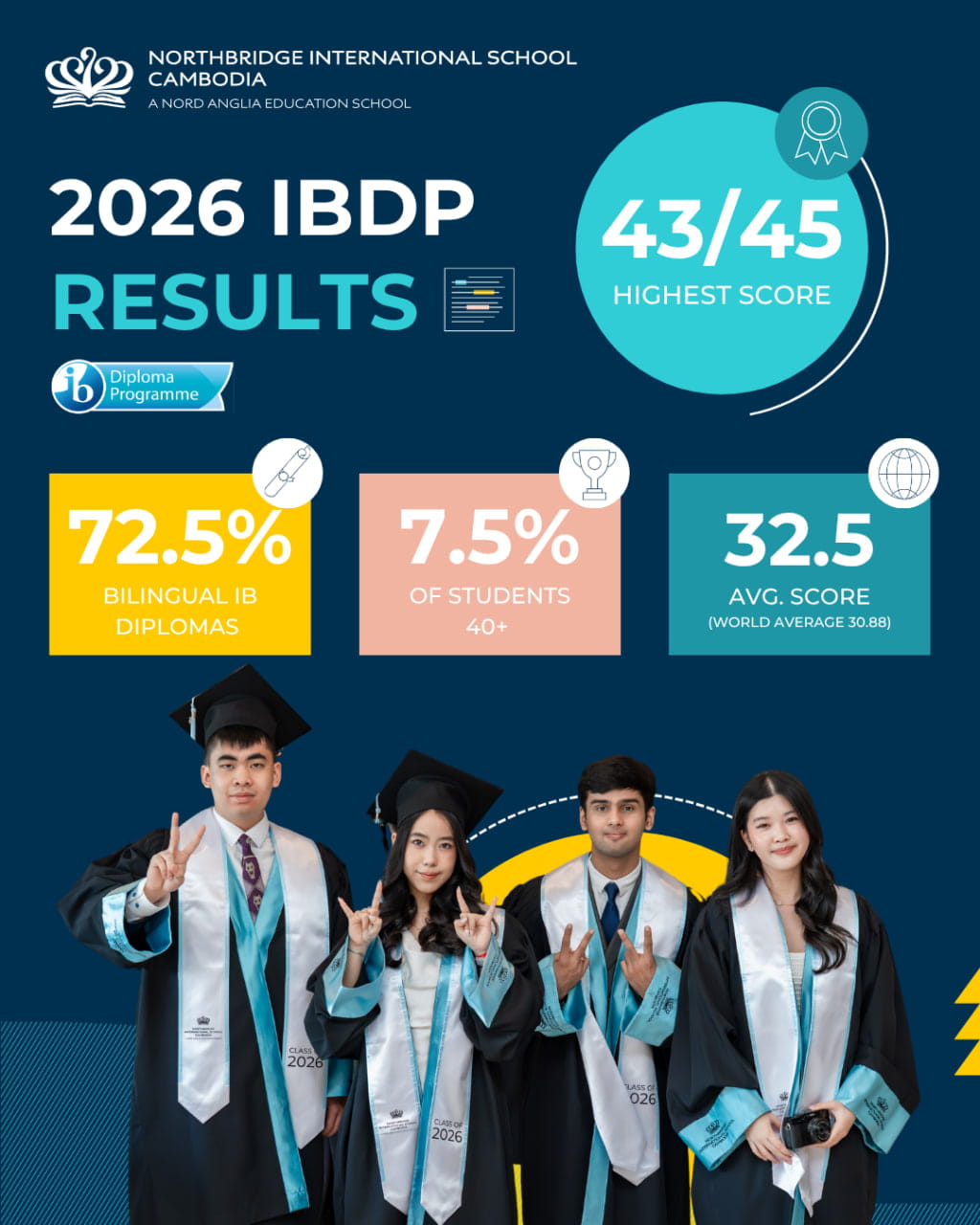
 NISC Celebrates Outstanding 2026 IBDP Results
Celebrating exceptional 2026 IBDP results, Northbridge students surpassed the global average, achieved a top score of 43/45, and received nearly 300 university offers.
News image ![football2]() Blog | Whole School | Sport
Blog | Whole School | Sport
 Blog | Whole School | Sport
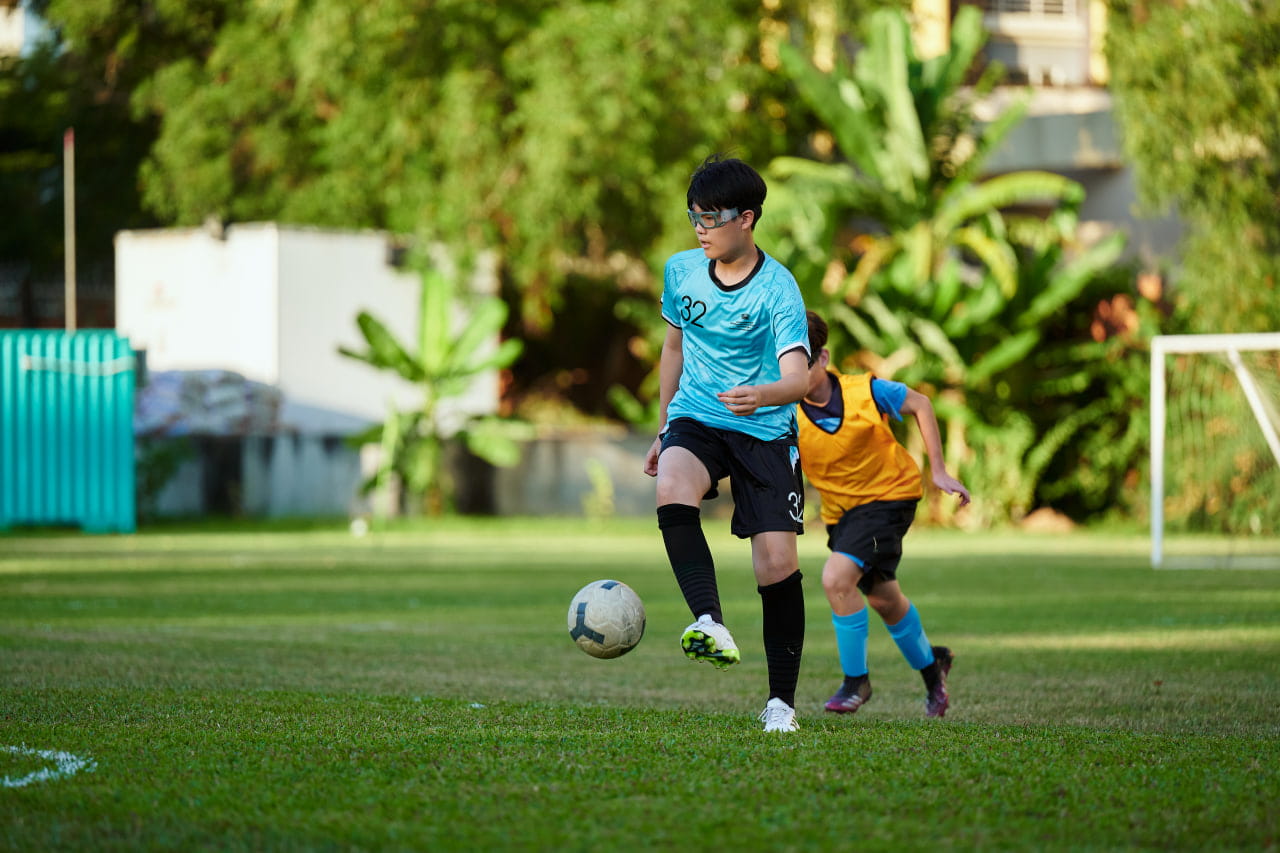
 Sport at Northbridge Shaping Confident Competitors
Discover how sport at Northbridge International School inspires participation, growth and excellence, empowering students to thrive as confident athletes and global citizens.


