




We use cookies to improve your online experiences. To learn more and choose your cookies options, please refer to our cookie policy.
23 March, 2026
How parents can recognise academic progress beyond test scores

Parents often look to test results as the clearest indicator of how well their child is doing at school. Exam scores and assessments certainly matter, but experienced educators know that academic progress is often visible in daily learning before it appears in formal results.
At Northbridge International School Cambodia, Head of Primary Aidan Stallwood explains that meaningful progress is visible through a combination of academic growth, developing independence, and the way students begin to approach learning.
“Parents often first notice progress in the way children talk about their learning and how confidently they approach new challenges,” he says. “Academic progress includes knowledge and skills, but also independence, language development, and the ability to reflect on learning.”
Understanding these wider signs helps families see how progress builds steadily throughout a child’s education.
Progress often appears in skills and confidence first
Within the International Baccalaureate framework, students develop understanding through inquiry, reflection, and skill development across subjects. Because of this approach, progress frequently becomes visible through changes in how students learn rather than through scores alone.
Teachers often observe growing student independence as one of the earliest signs of progress.
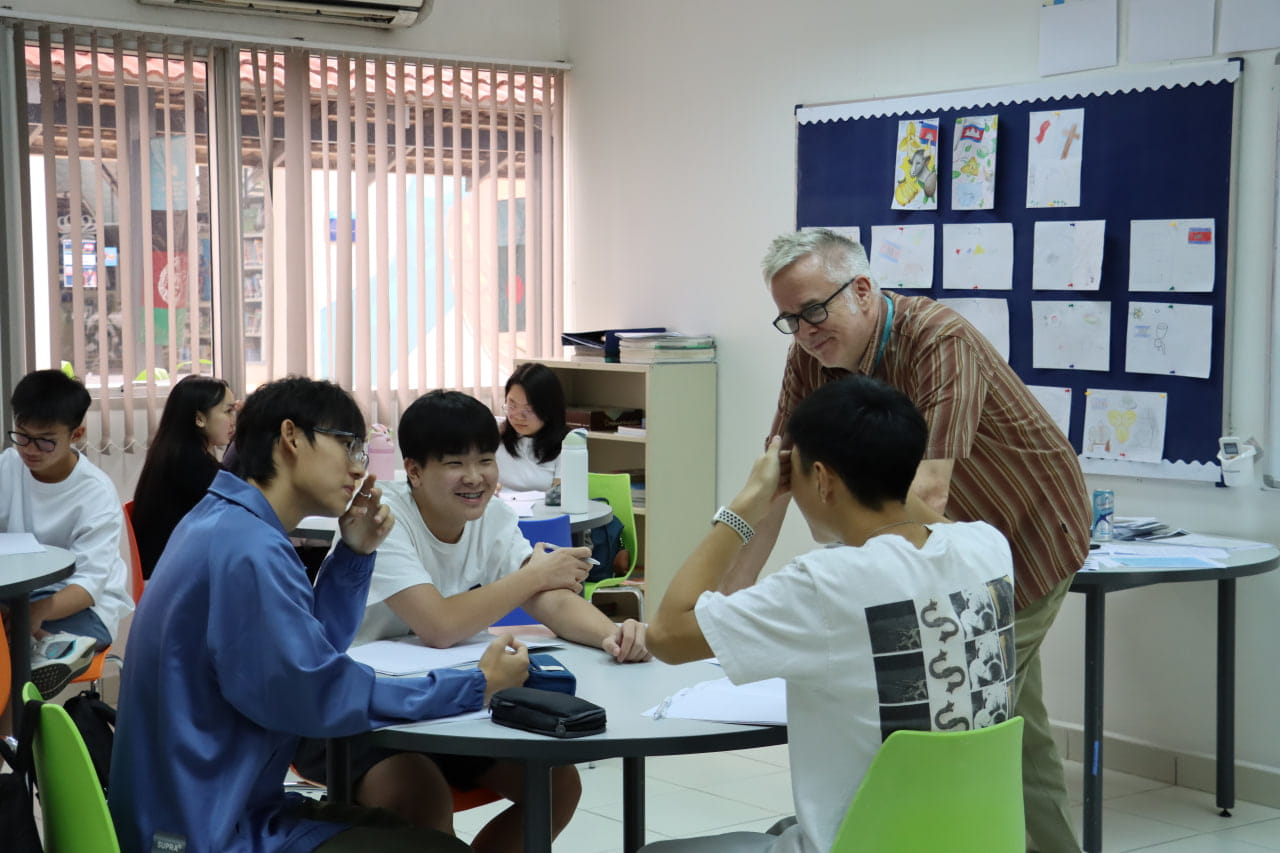
“In our classrooms, students gradually take more ownership of their learning,” says Mr Stallwood. “You see them choosing strategies, managing tasks, and working confidently through different learning stations designed to stretch their thinking.”
This growing sense of agency helps students become more capable learners who can adapt to new challenges as they move through school.
Parents may also notice children speaking more confidently about their learning. As students develop stronger reading, communication, and language skills, they often begin explaining ideas more clearly at home and discussing what they are learning in greater detail.
How schools monitor academic progress
A key part of recognising academic progress is understanding how schools track and communicate it.
At Northbridge International School Cambodia, teachers use a combination of assessment, classroom observation, and regular communication with families to monitor student development.
“Assessment is not limited to tests,” Mr Stallwood explains. “Teachers gather evidence from class discussions, projects, and day-to-day learning activities so we can understand how each student is developing.”
Several structures help parents stay informed throughout the year.
Three-way conferences allow students to share their learning directly with parents and reflect on challenges and successes. These conversations often include work from differentiated tasks and inquiry-based projects.
Digital learning portfolios also give families a window into daily learning. Platforms such as Seesaw in Primary allow parents to see examples of classroom work, from phonics development to inquiry projects and collaborative activities.
These systems help connect classroom learning to the progress families observe at home.
Connecting classroom learning to everyday growth
Progress becomes especially meaningful when parents can see connections between school learning and everyday life.
For example, improvements in literacy may appear when children begin reading independently at home or explaining new vocabulary they have learned at school. Communication skills often develop through class presentations, group discussions, and collaborative projects.
Students also develop social and emotional skills alongside academic learning. Working in pairs or groups helps them practise cooperation, empathy, and emotional regulation, which supports both wellbeing and academic engagement.
“Over time, parents often notice their children becoming more reflective about their learning,” says Mr Stallwood. “Students begin setting goals, thinking about their progress, and taking pride in what they achieve.”
Long-term academic development
While short-term results can provide snapshots of learning, long-term educational development is reflected in how students grow as thinkers and learners.Teachers often see students developing stronger problem-solving skills, deeper conceptual understanding, and greater resilience when facing challenges. These capabilities prepare students for more advanced academic work in later stages of schooling.
Within the IB continuum offered at Northbridge International School Cambodia, progress is monitored across multiple dimensions, including academic attainment, skill development, and learner confidence. This structured approach helps ensure that growth is consistent and carefully guided over time.
Seeing the full picture of progress
For families, recognising academic progress means looking at the full picture of a child’s development. Strong schools provide clear systems for monitoring learning while also helping students develop independence, communication skills, and confidence.
When parents see their child becoming more curious, capable, and reflective about their learning, they are often witnessing the deeper progress that underpins future academic success.
Families who would like to learn more about how Northbridge International School Cambodia supports students’ academic progress are always welcome to speak with the school’s academic leaders and explore how learning develops across the different stages of education.
Related news
News image ![emyp 2 2026]() News | Whole School | Secondary
News | Whole School | Secondary
 News | Whole School | Secondary
 Why Standardised Testing Matters in an Inquiry-Based IB Education
Discover how inquiry-based learning at Northbridge International School Cambodia drives strong IB results, academic excellence, and university success.
News image ![BritCham]() News | Whole School
News | Whole School
 News | Whole School
 BritCham Interview with Christopher Short Interim Principal
Meet Northbridge’s Interim Principal as he shares his first impressions of Cambodia, educational philosophy, career journey, and advice for students.


