



We use cookies to improve your online experiences. To learn more and choose your cookies options, please refer to our cookie policy.
17 March, 2026
What is normal to experience in the first year at an international school
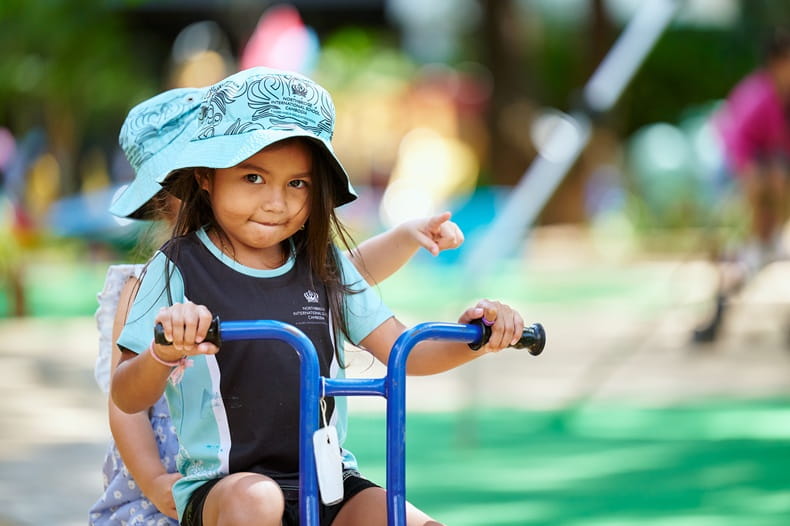
Choosing a new school is a major decision, and the first year often brings a mixture of excitement, curiosity, and uncertainty for both children and parents. For families joining an international school for the first time, it can be reassuring to know that adjustment is rarely instant. A positive student experience usually develops over time as routines become familiar, expectations become clearer, and confidence begins to grow.
At Northbridge International School Cambodia (NISC), Head of Secondary Tara Hirshall says that the first year is often marked by visible development across academic, social, and personal areas.
“The first year is usually a period of significant change,” she explains. “Students are adapting to new routines, new expectations, and often a new way of learning. With guidance and encouragement, most begin to find their rhythm and grow in confidence, organisation, and independence.”
For many families considering international schools in Phnom Penh, understanding what is normal in that first year can make the transition feel more manageable.
Adjustment usually happens in stages
The first weeks in a new school often feel very different from the end of the first year.
Students may begin by focusing on the basics: understanding their timetable, getting to know teachers, learning classroom routines, and building new friendships. At the same time, families are also learning how the school communicates, how progress is shared, and what day-to-day school life looks like.
For some students, the transition also involves adapting to a different style of learning, particularly when moving from a more traditional curriculum to an inquiry-based approach.
“For many students, the shift to an inquiry-based and internationally focused approach is new,” says Mrs. Hirshall. “Over time, they usually become more comfortable asking questions, thinking critically, and taking greater responsibility for their learning.”
This means that early uncertainty does not automatically signal a problem. In many cases, it is simply part of settling into a new learning environment.
Parents often have questions in the first year
It is natural for parents to review their decision during the first year, especially when a new school introduces unfamiliar systems, terminology, or approaches to learning.
Some families want to understand how the curriculum prepares their child for long-term success. Others ask how progress is assessed within an international framework, how independence is developed, or whether their child is settling socially and emotionally.
These questions are both common and important.
“At NISC, we welcome those conversations,” Mrs. Hirshall explains. “Parents build confidence when communication is clear and consistent, and when they understand both how learning is assessed and how their child is developing over time.”
This is why regular communication matters so much in the first year. Parent information sessions, parent teacher meetings, newsletters, and updates through school platforms all help families connect what is happening in school with what they see at home.
Progress is not only academic
One of the most important things for families to understand is that the first year often brings progress that goes beyond grades alone.
Students usually grow in resilience, adaptability, and self-management as they learn to navigate a new environment. They may become more organised with their belongings, more confident in asking for help, or more thoughtful in the way they approach unfamiliar tasks.
For many parents, these changes become increasingly visible as the year continues.
“By the end of the first year, most students show clear progress not only academically, but also in independence, confidence, and the way they manage themselves,” says Mrs. Hirshall. “Those developments are an important part of the overall school experience.”
This wider growth matters because it supports academic learning in practical ways. When students become more organised, confident, and willing to engage, they are better able to participate fully in lessons and make sustained progress.
Schools monitor how students are developing
A strong school experience in the first year depends on careful oversight.
At Northbridge International School Cambodia, staff monitor both academic and pastoral development through regular check-ins, teacher observations, and ongoing communication with families. That allows emerging concerns to be identified early and addressed before they become more significant.
Teachers and leaders track progress against academic benchmarks, while also paying attention to engagement, confidence, and how well students are settling into school life.
Where additional support is needed, the school works in partnership with families to help students feel secure, challenged, and supported.
This combination of structure and communication is often what helps the first year move from unfamiliar to reassuring.
Confidence grows as school life becomes familiar
A first year at an international school is not about getting everything right immediately. It is about steady adjustment, growing confidence, and developing a clearer sense of belonging over time.For families considering international schools in Cambodia, that perspective matters. What feels new at the start often becomes familiar through consistent routines, clear expectations, and strong communication between school and home.
At Northbridge International School Cambodia, the first year is supported through careful academic monitoring, pastoral oversight, and open communication with families. Parents who would like to understand more about what students typically experience are always welcome to continue the conversation with the school’s academic leaders.
Related news
News image ![IBDP Results 2026]() News | Whole School
News | Whole School
 News | Whole School
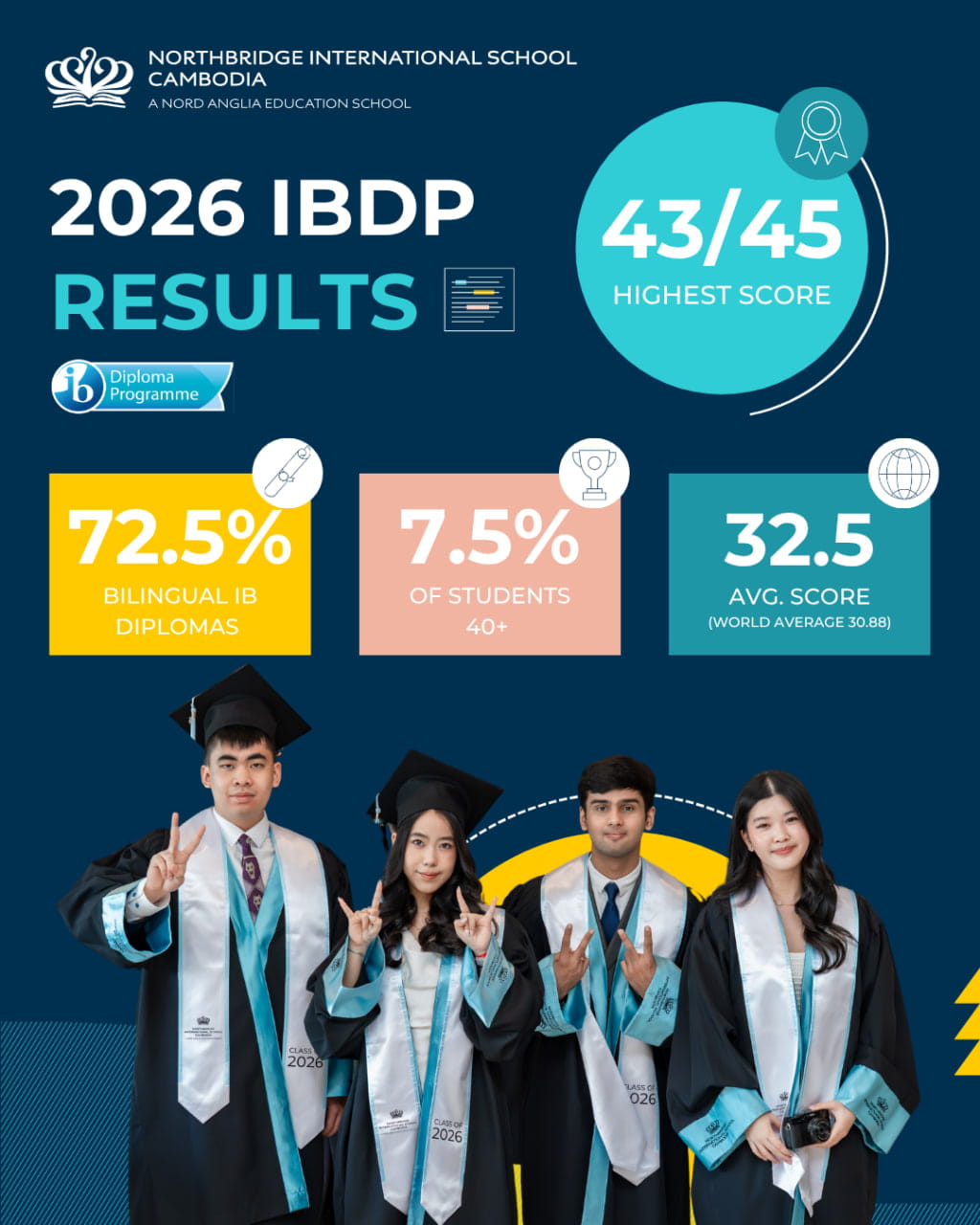
 NISC Celebrates Outstanding 2026 IBDP Results
Celebrating exceptional 2026 IBDP results, Northbridge students surpassed the global average, achieved a top score of 43/45, and received nearly 300 university offers.
News image ![football2]() Blog | Whole School | Sport
Blog | Whole School | Sport
 Blog | Whole School | Sport
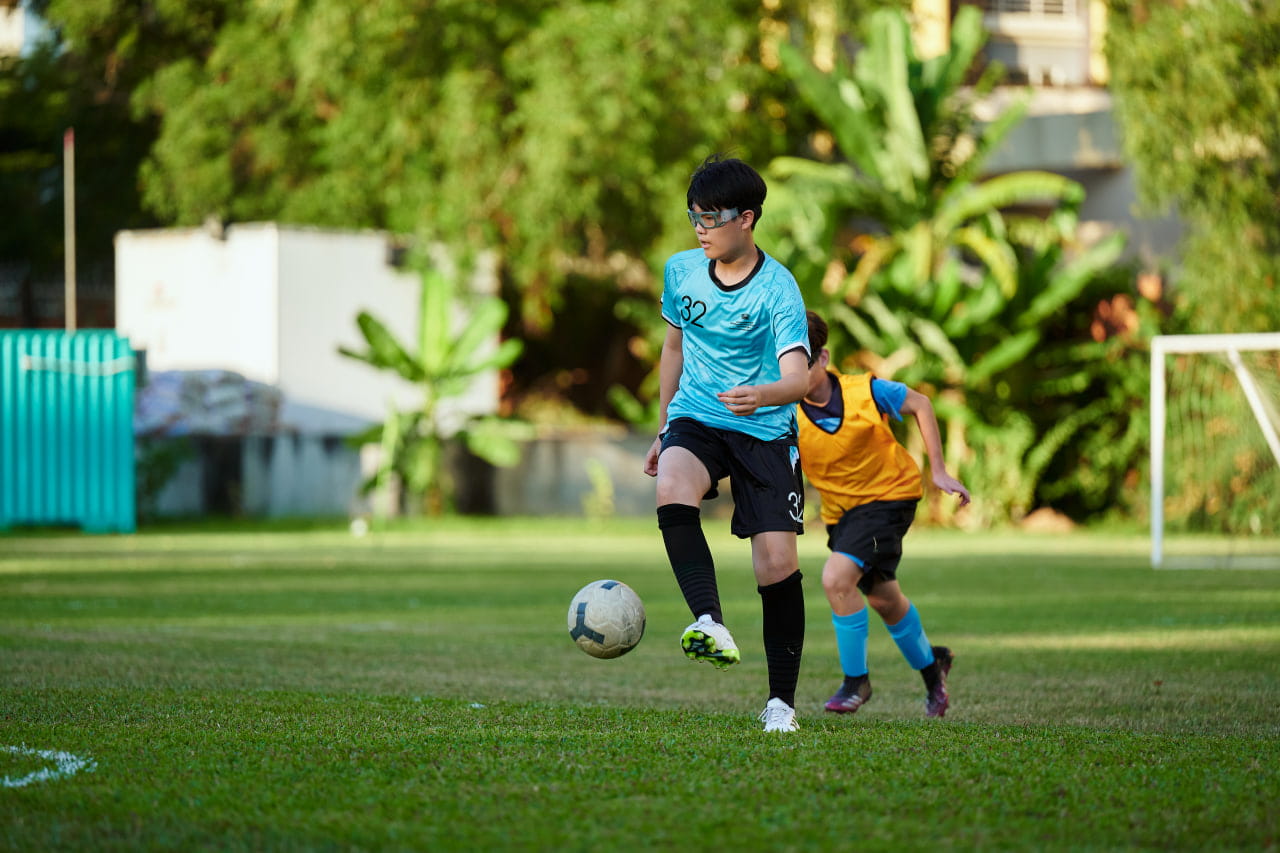
 Sport at Northbridge Shaping Confident Competitors
Discover how sport at Northbridge International School inspires participation, growth and excellence, empowering students to thrive as confident athletes and global citizens.


