



We use cookies to improve your online experiences. To learn more and choose your cookies options, please refer to our cookie policy.
04 June, 2026
Skills AI Can't Match. How We Prepare Your Child for the Future at NISC
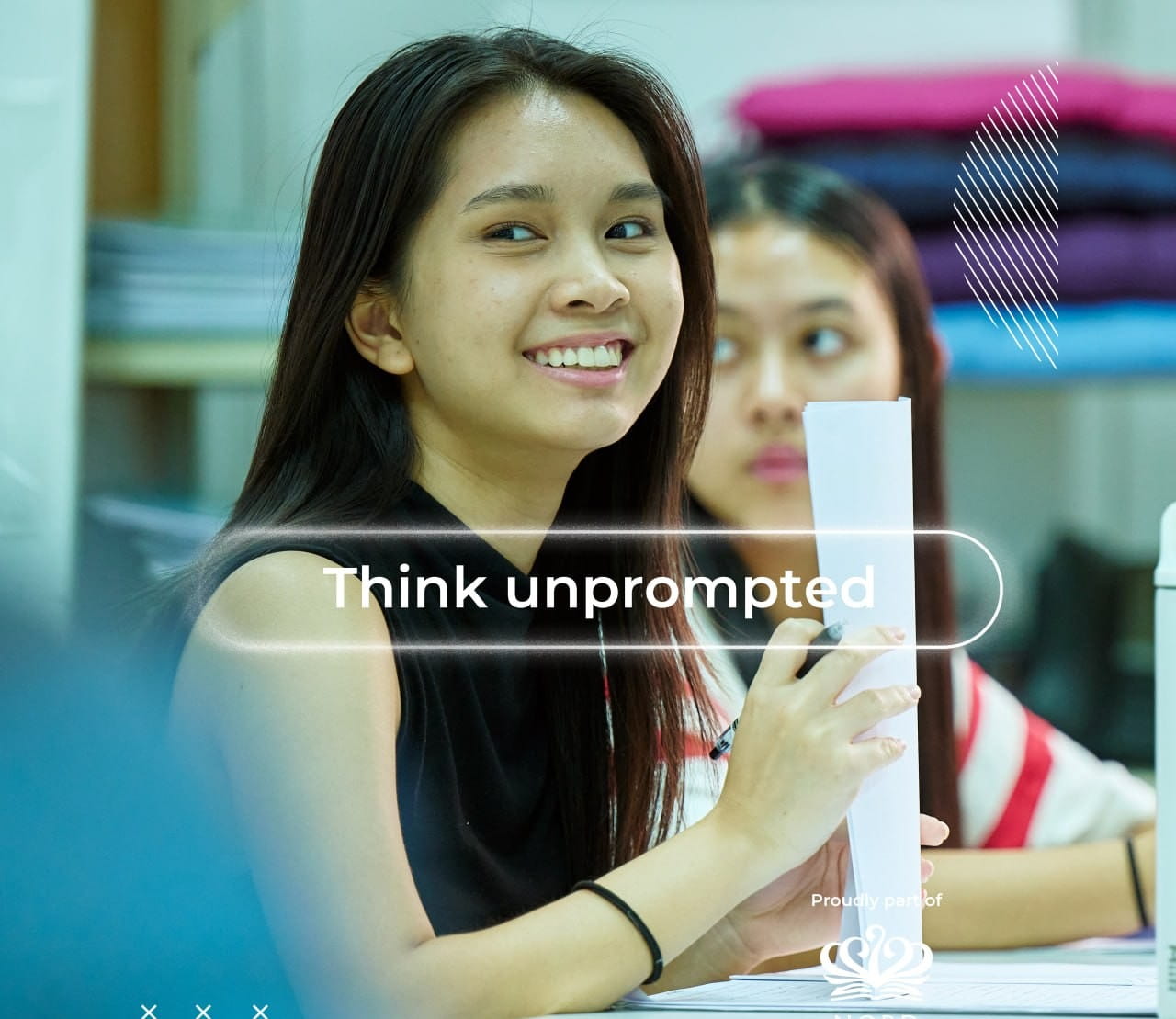
In a world full of AI answers, will your child learn how to think?
Artificial intelligence is already transforming how we learn, work, and solve problems. Answers are faster, easier, and everywhere.
But when answers are instant, something else matters more than ever: your child’s ability to think independently, question thoughtfully, and adapt with confidence.
The future isn’t just about what children know. It’s about how they think.
Today, children in Phnom Penh are growing up in a world where the question is no longer, “Can students find the right answer?” It’s: “Can they understand it, challenge it, and use it wisely?”
At Northbridge, we focus on developing these essential thinking skills every day.
“Ultimately, when students feel emotionally and socially safe within a culture of respect, they develop the human qualities that technology cannot replace—empathy, resilience, and the ability to connect meaningfully with others.”
— Frances Morton, Principal
How we develop thinking skills at Northbridge
We don’t just teach answers. We teach students how to think.
In our classrooms, students learn to:
• Reflect before responding
• Explore different perspectives
• Explain and justify their thinking
• Solve problems independently
As Damien Kielty, MYP and DP English Teacher, explains:
“I embed thinking routines into my classroom practice because they help students move beyond finding the ‘right answer’. They make thinking more visible and encourage students to reflect on how their understanding develops. Using routines to structure questioning and discussion helps students build confidence and engage more deeply with ideas.”
Our approach builds curiosity, confidence, and independence in every learner.
Backed by global research
As part of Nord Anglia Education, our school’s approach to learning is informed by a global research partnership with Boston College, involving over 12,000 students worldwide.
The results showed measurable improvements in the skills that matter most:
+20% curiosity
+21% critical thinking
+15% collaboration, commitment and compassion
76% of students reported increased independence
This research helps us continuously improve how we teach and how students learn.
Learn more about the research here
As one of the schools involved in this global study, we’ve seen first-hand how developing thinking skills positively impacts our classrooms every day.
This reinforces our commitment to personalised learning and preparing students for an AI-powered future.
Confidence in an uncertain world
When children learn how to think, they gain the confidence to:
Solve problems independently
Adapt when things change
Keep going when challenges arise
Make decisions with confidence
These are the skills that prepare them not just for exams, but for life.
Discover what your child can achieve at Northbridge
Related news
News image ![emyp 2 2026]() News | Whole School | Secondary
News | Whole School | Secondary
 News | Whole School | Secondary
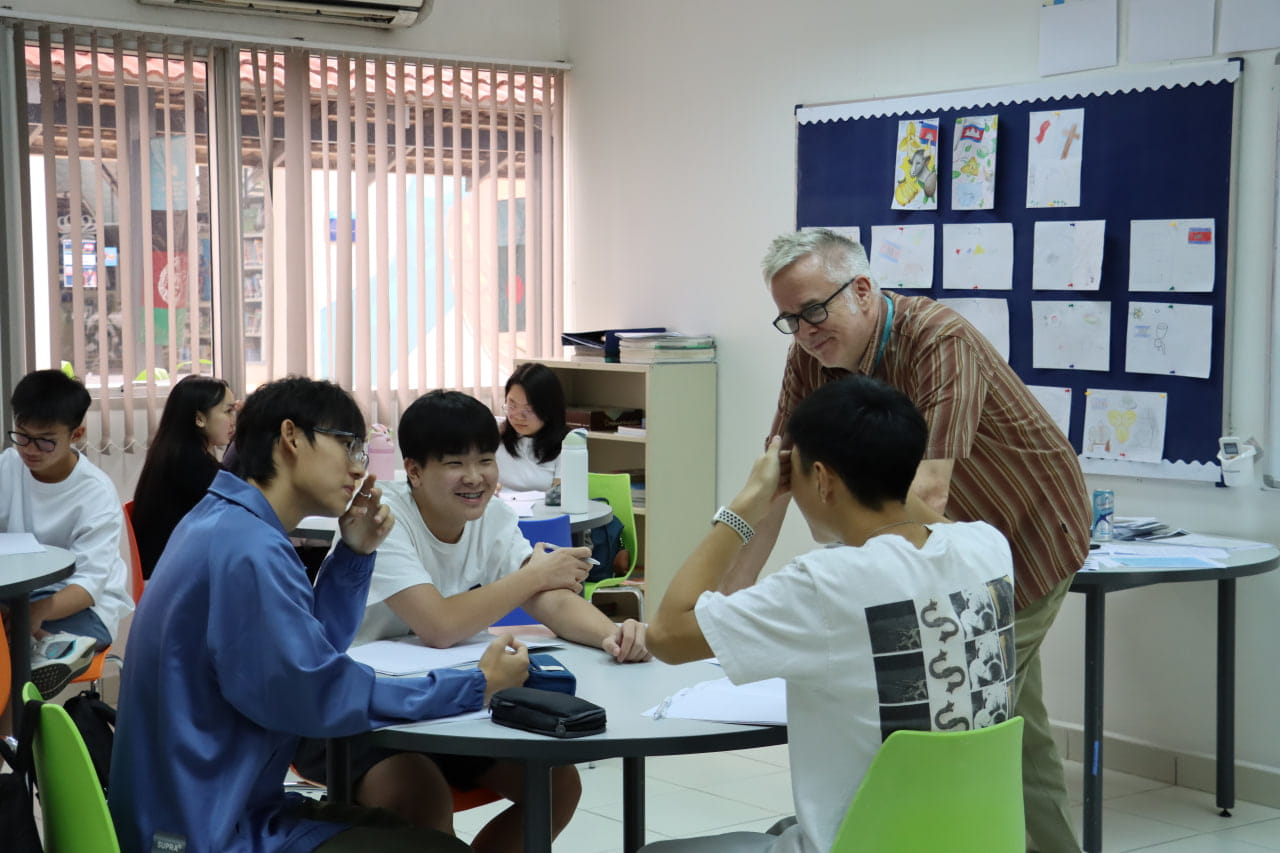
 Why Standardised Testing Matters in an Inquiry-Based IB Education
Discover how inquiry-based learning at Northbridge International School Cambodia drives strong IB results, academic excellence, and university success.
News image ![BritCham]() News | Whole School
News | Whole School
 News | Whole School
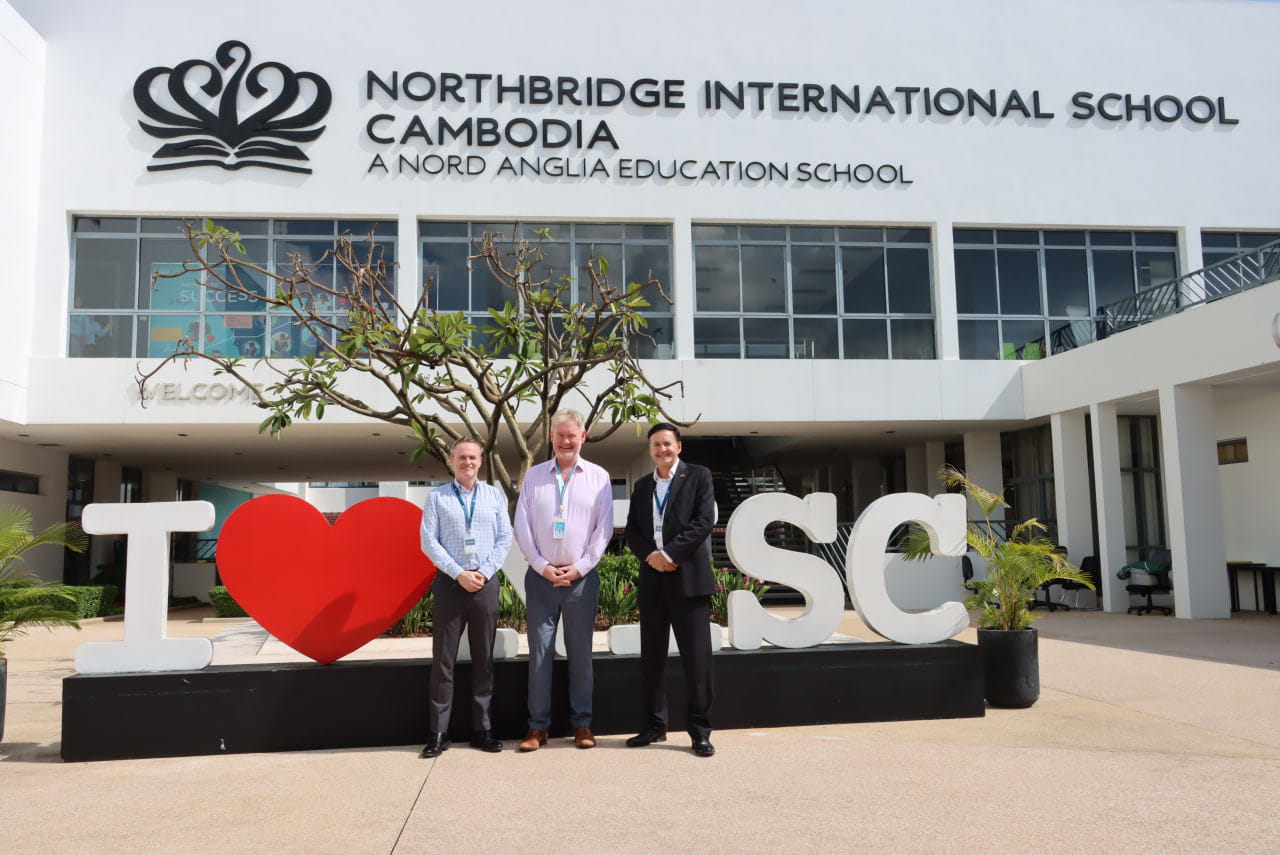
 BritCham Interview with Christopher Short Interim Principal
Meet Northbridge’s Interim Principal as he shares his first impressions of Cambodia, educational philosophy, career journey, and advice for students.


