We use cookies to improve your online experiences. To learn more and choose your cookies options, please refer to our cookie policy.
08 April, 2026
Why safeguarding and clear systems matter more than parents often realise

When parents choose an international school in Bangkok, they often focus on academic results, facilities, and curriculum. These are important. But for many families, a deeper question sits underneath: how well will my child be looked after every day?
This is where safeguarding and school systems become critical. A truly strong school does not treat safety as a policy on paper. It builds it into daily routines, relationships, and decision-making.
At St Andrews International School Bangkok, safeguarding is not a single process. It is a consistent, visible part of how the school operates, ensuring that students feel secure, supported, and able to focus on their learning.
Safeguarding as part of everyday school life
In a well-run school, safeguarding is not something that happens occasionally. It is part of daily practice.
At St Andrews, safeguarding is embedded into routines across the school day.
Mr Andrew Wheeler, Deputy Head of Student Welfare and Progress, explains how this is approached.
“Safeguarding is part of every routine, from secure entry procedures to the way staff check in on student wellbeing during lessons.”
This consistency helps students feel protected and respected. It also allows them to engage more fully with their learning, knowing that their environment is secure.
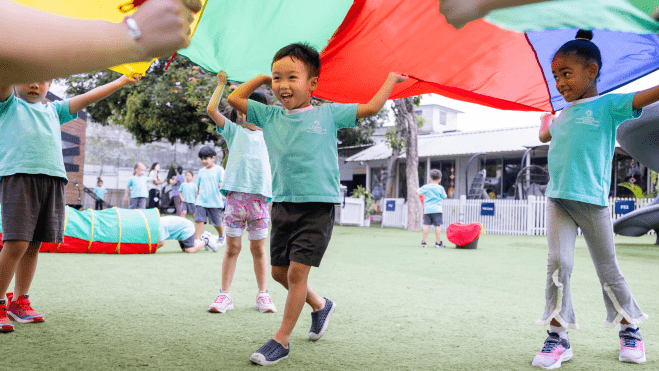
The role of teachers in student safety
While systems are important, safeguarding ultimately depends on how well a school knows its students.
At St Andrews, this starts with the relationships teachers build every day. These connections give teachers a deeper understanding of each student and make it easier to recognise when something has changed.
“Teachers play a vital role by building strong relationships with students and noticing changes in behaviour or mood,” adds Mr Andrew.
This awareness is essential. Changes in behaviour, engagement, or wellbeing can often be early indicators that a student needs support.
Teachers are trained to respond appropriately, following clear procedures and working closely with Heads of Year and counselling teams. This ensures that concerns are not overlooked and are addressed quickly.
Clear systems that support consistent protection
Safeguarding is most effective when supported by clear, consistent systems.
At St Andrews, established frameworks guide how concerns are identified, reported, and managed. These systems ensure that all staff understand their responsibilities and act in a coordinated way.
“Clear safeguarding systems ensure that any concern is acted upon quickly and appropriately, providing consistent protection for every student,” Mr Andrew notes.
This clarity reduces uncertainty and ensures timely, appropriate responses. It also supports staff in making informed decisions, particularly in complex situations.
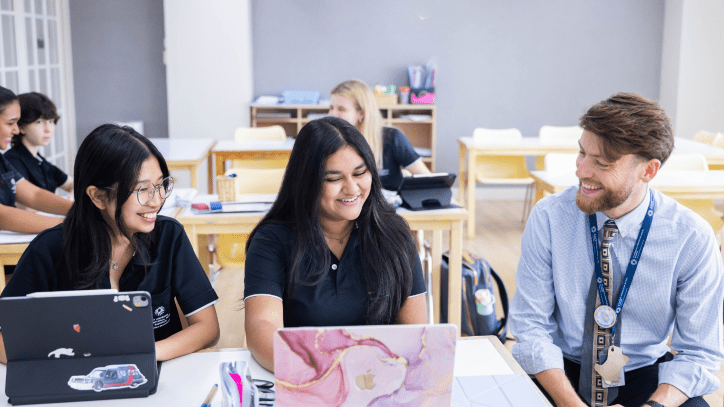
Why consistency matters in international schools
In an international school, consistency becomes even more important.
Students may join at different points, come from diverse backgrounds, and experience transitions between year groups or phases. Clear safeguarding systems help ensure that support remains consistent across these changes.
“In a diverse international community, consistent safeguarding frameworks give families confidence that the school operates to the highest professional standards.”
This continuity reassures parents that their child’s safety and wellbeing are protected, regardless of where they are in their school journey.
Creating an environment where students can thrive
Safeguarding is not only about protection. It is also about creating the conditions for students to thrive.
When students feel safe, they are more likely to participate in lessons, take risks in their learning, and build positive relationships with others.
At St Andrews Bangkok, safeguarding supports a broader culture of care and inclusion. Students feel supported both academically and personally, allowing them to develop confidence and resilience that drives strong academic outcomes.
A key signal of school quality
For parents asking how to evaluate a school, safeguarding is one of the clearest ways to understand how well it is run day to day. Strong systems, consistent practices, and experienced, qualified teachers and staff show that a school is organised, responsible, and focused on student wellbeing. At St Andrews International School Bangkok, safeguarding is built into every aspect of school life. It is not an additional feature, but a foundation that supports both learning and development. For families, this provides reassurance that their child is not only receiving a strong education but is also part of a safe, well-managed environment.
Parents who would like to learn more about safeguarding and student support at St Andrews are always welcome to speak with the academic team and explore how these systems operate across the school.
Related news
News image ![Year 2 Sleepover - Year 2 Sleepover]() Blog | Beyond the Classroom | Primary School
Blog | Beyond the Classroom | Primary School
 Blog | Beyond the Classroom | Primary School
 Building confidence for residential trips: The Year 2 School Sleepover at St Andrews
The Year 2 school sleepover transforms classrooms into cosy campsites and gives children a joyful one‑night stay filled with fun, exploration, and growth, with activities such as swimming, archery, disco dancing, pizza‑making, and a BBQ dinner followed by a torchlight wildlife tour that sparks curiosity and wonder; as students settle into sleeping bags, they learn independence through routines like setting up spaces and managing belongings, and the experience concludes with a hearty breakfast that not only builds confidence and resilience but also prepares them for future adventures, especially their upcoming Year 3 residential trip.
News image ![playgroup]() News
News
 News
News Little Bunnies Playgroup at St Andrews Bangkok | AUTUMN 2026
Our playgroup offers a safe, joyful space for children to play, explore, and build early social skills, with quality teachers supporting their learning every step of the way.
News image ![Alumni Highlight Anda Class of 2017 - Alumni Highlight Anda Class of 2017]() Blog | Alumni | STA Community
Blog | Alumni | STA Community
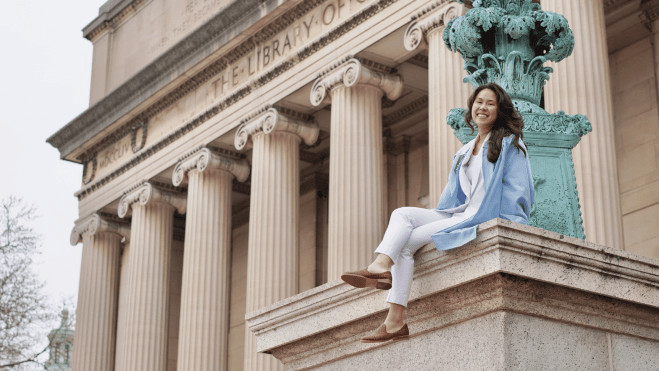 Blog | Alumni | STA Community
 St Andrews Bangkok alumnus paves path from Chulalongkorn University to Columbia MBA and a management consulting career in New York
From Bangkok to New York, Anda’s journey reflects determination, creativity, and global ambition. A proud graduate of St Andrews Bangkok in 2017, she earned First Class Honours in Economics at Chulalongkorn University, expanded her international outlook through an exchange at Erasmus University Rotterdam, and began her career at Agoda in marketing, strategy, and analytics while founding a Thai speciality chocolate brand that strengthened her resilience and leadership. In 2026, she completed her MBA at Columbia Business School, paving the way for her management consulting career in New York.
News image ![Sports at St Andrews - Sports at St Andrews]() Blog | Sport and PE | STA Community
Blog | Sport and PE | STA Community
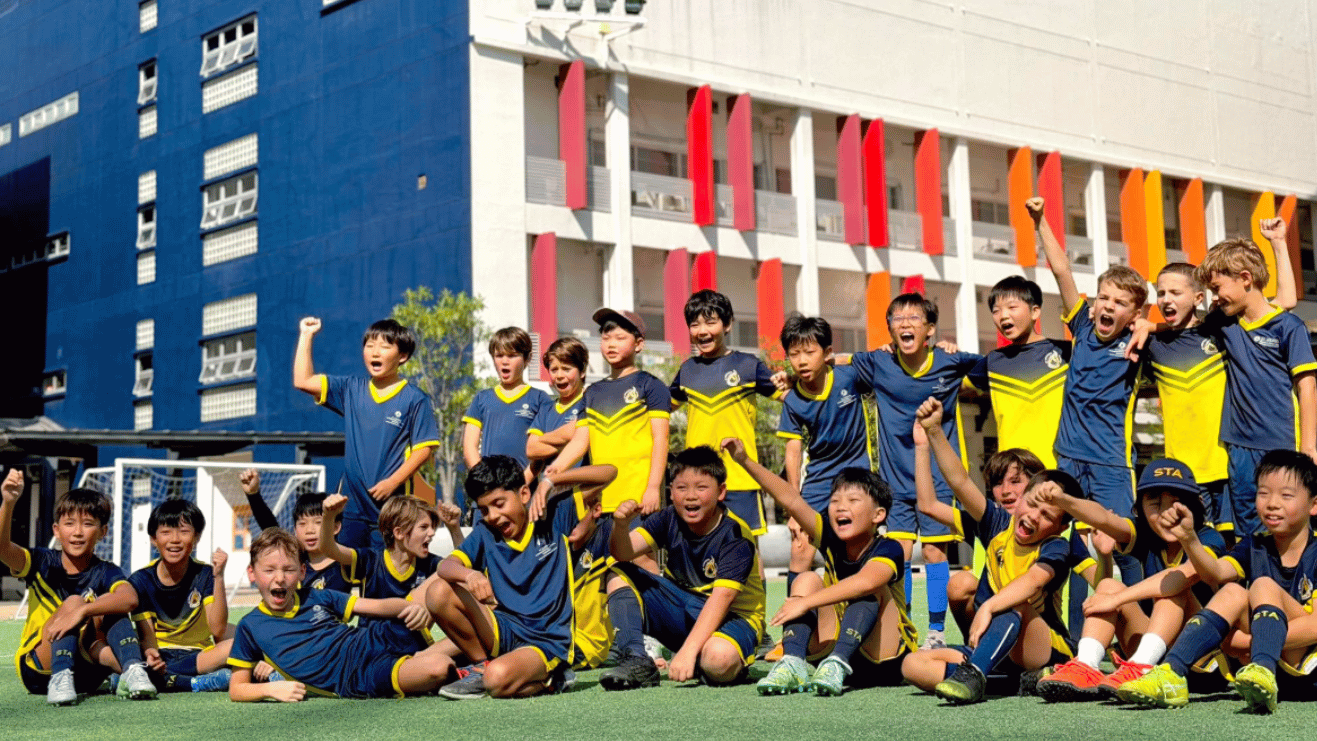 Blog | Sport and PE | STA Community
 It all adds up: why sports at St Andrews Bangkok wins
Sport at St Andrews is truly special, with around 7 in 10 students actively involved across many sports, including Badminton, Basketball, Football, Volleyball, Gymnastics, Swimming, Synchronised Swimming, Water Polo, Golf, Dance, Tennis, Touch Rugby, Rugby, Bouldering, Track and Field, and Chess. The programme reaches most children across the school, creating a vibrant, energetic community where participation is the norm.