We use cookies to improve your online experiences. To learn more and choose your cookies options, please refer to our cookie policy.
08 April, 2026
How teachers help students move from understanding to mastery
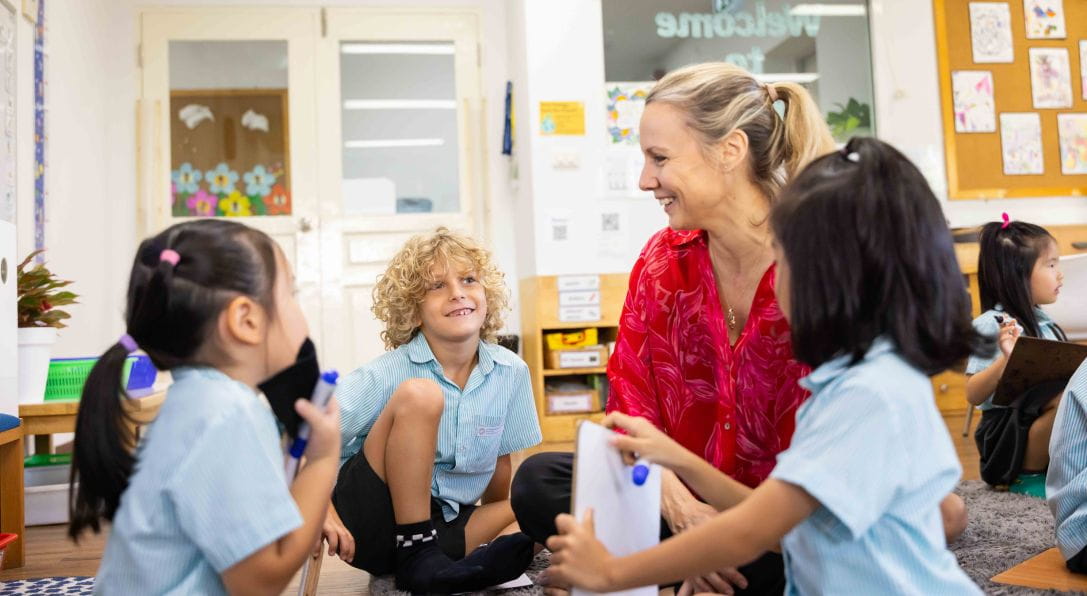
Most students can explain what they have learned. Far fewer can take that knowledge and use it confidently in a new situation. That shift, from understanding to application, is where real academic value begins to take shape.
For parents looking at international schools in Bangkok, the real question is whether learning stops at memorisation, or extends to the depth and understanding necessary for long-term success.
At St Andrews International School Bangkok, teaching is designed to move students beyond basic understanding towards mastery. This involves not only what students learn, but how they think, reflect, and apply their knowledge over time.
Moving beyond knowing to thinking
Understanding a concept is only the first step. Mastery requires students to reflect on how they learn and how to apply that learning across different contexts.
At St Andrews Bangkok, teachers explicitly develop metacognitive skills, helping students plan, monitor, and evaluate their own thinking.
Mr Michael Aryiku, Assistant Head of Primary – Teaching and Learning, explains this process.
“We guide students to think about how they learn, not just what they know. By using strategies such as planning, monitoring and evaluating their thinking, they begin to connect ideas and apply knowledge in new contexts.”
This metacognitive approach encourages students to take an active role in their learning. They become more aware of how they approach tasks, how they learn best, and how they can improve their thinking over time.
Building on what students already know
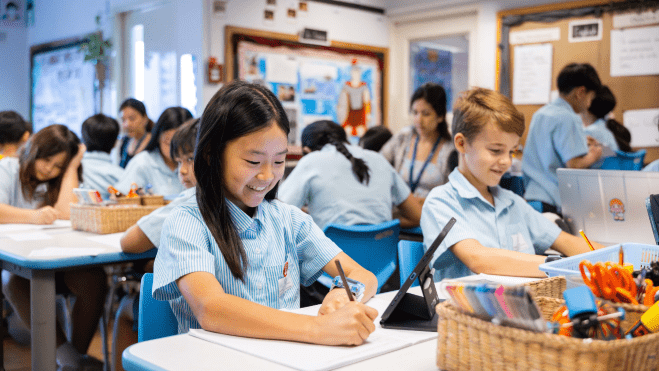
Deep learning begins with a clear understanding of each student’s starting point.
Teachers at St Andrews begin by identifying prior knowledge and addressing misconceptions. This ensures that new learning is built on a secure foundation.
“We start by understanding what students already know, addressing misconceptions and connecting learning to real-life experiences,” explains Mr Michael.
By linking new ideas to existing knowledge and real-world contexts, students develop a more meaningful understanding. Learning becomes something they can relate to, rather than something abstract.
This connection helps students retain knowledge more effectively and apply it with greater confidence.
Feedback that drives improvement
Feedback plays a central role in helping students move towards mastery.
At St Andrews, feedback is designed to be specific, timely, and focused on improvement.
“The most effective feedback highlights strengths, identifies areas for growth and provides clear next steps so students can refine their work,” notes Mr Michael.
This feedback often takes place during the lesson, allowing students to respond immediately. Students are encouraged to reflect on their work, adjust their approach, and continue improving.
Target-setting is also an important part of this process. By setting and reviewing goals, students take greater ownership of their learning and develop a clearer sense of progress.
Challenging students to go further
Mastery is developed through challenge.
Teachers at St Andrews extend learning through open-ended tasks and higher-order questioning. Students are encouraged to think critically, rather than simply recall information.
“We challenge students with open-ended tasks and questions that require them to think deeply, analyse ideas and apply their knowledge in new ways,” says Mr Michael.
Project-based learning further supports this development. These approaches encourage students to connect ideas across subjects and apply their learning in meaningful situations.
This not only deepens understanding but also helps students develop confidence in their ability to tackle complex problems.
Connecting learning across contexts
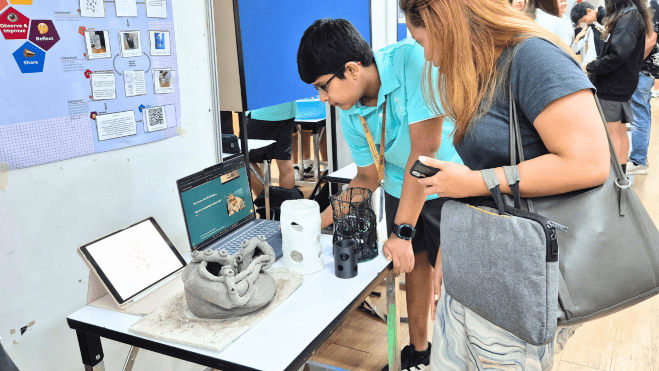
A key feature of mastery is the ability to transfer knowledge.
Students at St Andrews Bangkok are supported in making connections across different subjects and contexts.
Mr Michael explains the impact of making these connections:
“By connecting learning across subjects and contexts, students develop a deeper understanding and are better able to apply their knowledge beyond the classroom.”
This integrated approach ensures that learning is not isolated to individual subjects but becomes part of a broader framework of understanding.
Developing learners who take ownership
As students move towards mastery, they also develop independence. Through reflection, feedback, and structured challenge, students learn how to evaluate their own work and take responsibility for their progress. This shift from teacher-directed learning to student ownership is a key part of long-term academic success. At St Andrews International School Bangkok, this process is carefully supported through consistent teaching practices and a focus on meaningful learning.
For parents, this provides reassurance that learning goes beyond surface understanding. It reflects a deliberate approach to developing deep, transferable knowledge and confident, independent learners.
Parents who would like to explore how mastery is developed in practice are always welcome to speak with the academic team and see how these approaches are applied across the school.
Related news
News image ![Year 2 Sleepover - Year 2 Sleepover]() Blog | Beyond the Classroom | Primary School
Blog | Beyond the Classroom | Primary School
 Blog | Beyond the Classroom | Primary School
 Building confidence for residential trips: The Year 2 School Sleepover at St Andrews
The Year 2 school sleepover transforms classrooms into cosy campsites and gives children a joyful one‑night stay filled with fun, exploration, and growth, with activities such as swimming, archery, disco dancing, pizza‑making, and a BBQ dinner followed by a torchlight wildlife tour that sparks curiosity and wonder; as students settle into sleeping bags, they learn independence through routines like setting up spaces and managing belongings, and the experience concludes with a hearty breakfast that not only builds confidence and resilience but also prepares them for future adventures, especially their upcoming Year 3 residential trip.
News image ![playgroup]() News
News
 News
News Little Bunnies Playgroup at St Andrews Bangkok | AUTUMN 2026
Our playgroup offers a safe, joyful space for children to play, explore, and build early social skills, with quality teachers supporting their learning every step of the way.
News image ![Alumni Highlight Anda Class of 2017 - Alumni Highlight Anda Class of 2017]() Blog | Alumni | STA Community
Blog | Alumni | STA Community
 Blog | Alumni | STA Community
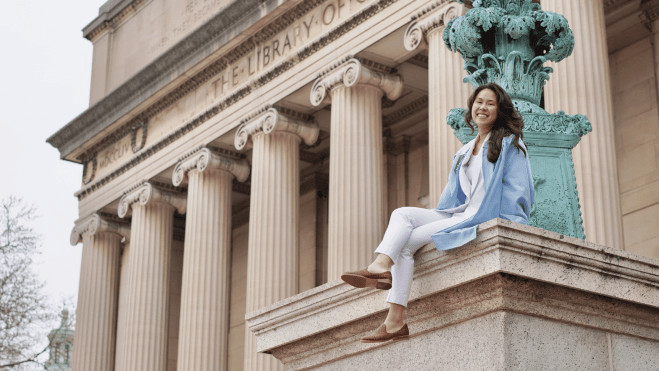
 St Andrews Bangkok alumnus paves path from Chulalongkorn University to Columbia MBA and a management consulting career in New York
From Bangkok to New York, Anda’s journey reflects determination, creativity, and global ambition. A proud graduate of St Andrews Bangkok in 2017, she earned First Class Honours in Economics at Chulalongkorn University, expanded her international outlook through an exchange at Erasmus University Rotterdam, and began her career at Agoda in marketing, strategy, and analytics while founding a Thai speciality chocolate brand that strengthened her resilience and leadership. In 2026, she completed her MBA at Columbia Business School, paving the way for her management consulting career in New York.
News image ![Sports at St Andrews - Sports at St Andrews]() Blog | Sport and PE | STA Community
Blog | Sport and PE | STA Community
 Blog | Sport and PE | STA Community
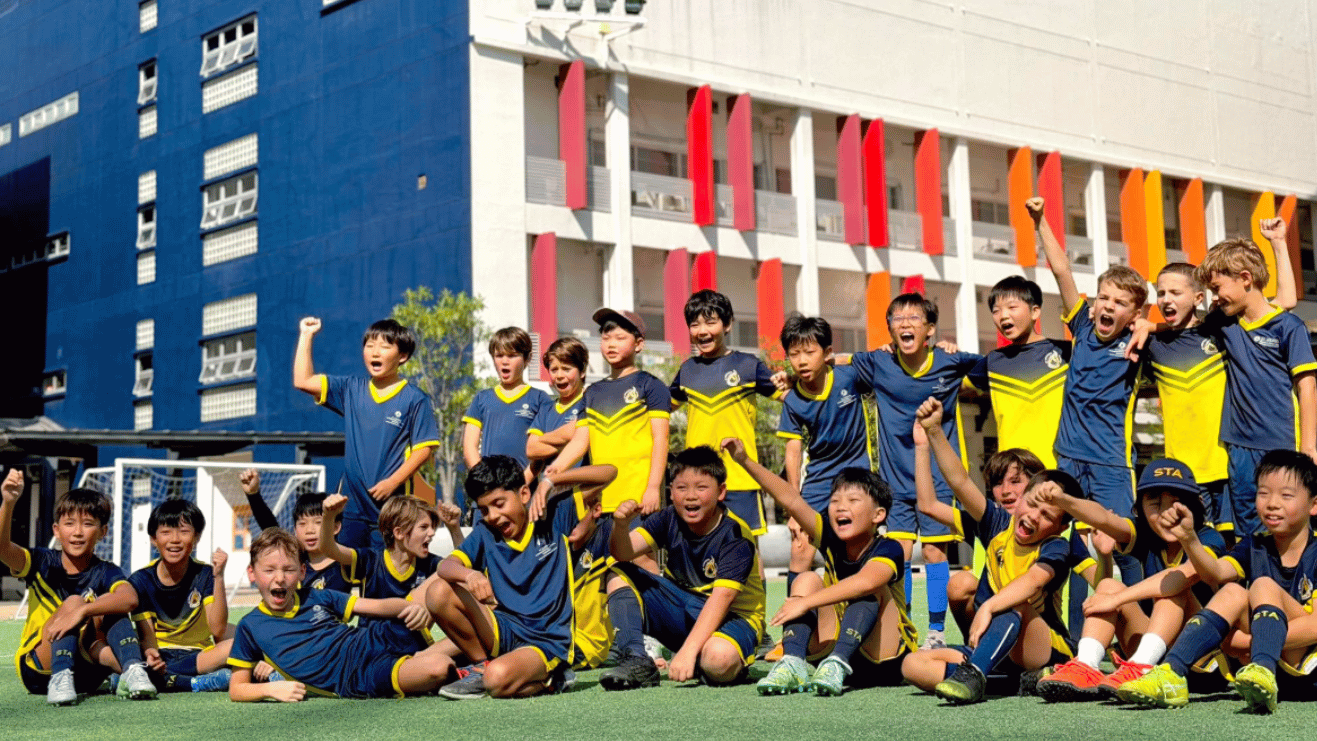
 It all adds up: why sports at St Andrews Bangkok wins
Sport at St Andrews is truly special, with around 7 in 10 students actively involved across many sports, including Badminton, Basketball, Football, Volleyball, Gymnastics, Swimming, Synchronised Swimming, Water Polo, Golf, Dance, Tennis, Touch Rugby, Rugby, Bouldering, Track and Field, and Chess. The programme reaches most children across the school, creating a vibrant, energetic community where participation is the norm.